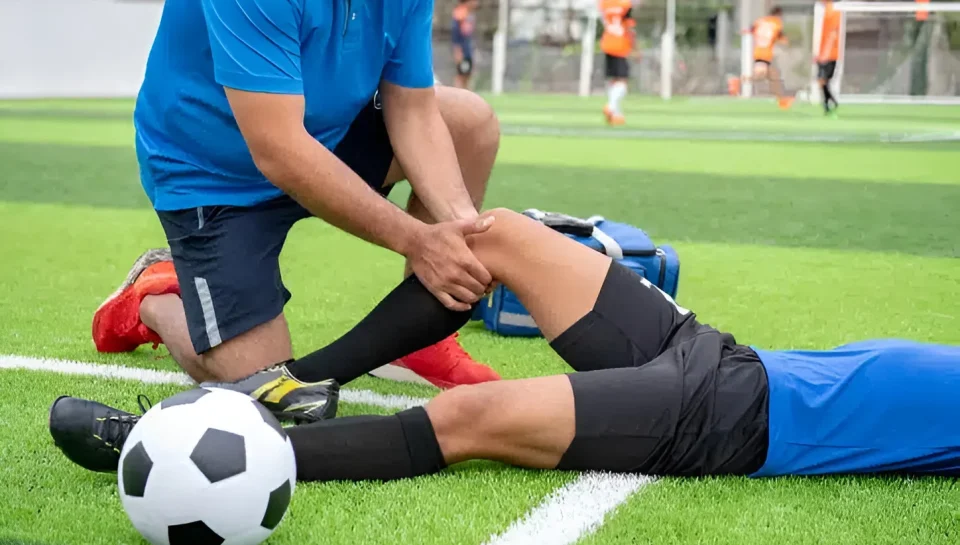
You’ve seen it happen. A player gets injured, takes time off, comes back excited, and boom – injured again within weeks. Sometimes it’s the same injury, sometimes it’s something new.
This pattern is so common that coaches and sports physiotherapy experts have a name for it – the comeback curse. But it’s not bad luck. There’s actual science behind why this happens.
The Rush to Return
Most athletes hate sitting on the sidelines. The moment pain reduces, they want to get back. They feel ready because the pain is gone.
But here’s the problem – no pain doesn’t mean fully healed.
Your muscles, ligaments, and tendons need time to regain their full strength. Just because you can walk without pain doesn’t mean you can sprint or jump safely. There’s a big difference.
Many players skip the boring recovery exercises. They think rest is enough. It’s not.
What Actually Happens During Recovery
When you’re injured and resting, your body changes more than you realize.
Your muscles get weaker fast. Even one week of rest can reduce muscle strength significantly. Your coordination drops too. The connection between your brain and muscles gets rusty.
Think about it like this – if you don’t drive for a month, you’ll be a bit clumsy when you start again. Your body works the same way.
Sports physiotherapy focuses on rebuilding these connections slowly. It’s not just about healing the injured part. It’s about getting your whole body back to athletic level.
The Compensation Pattern
Here’s something interesting. When one part hurts, other parts work extra hard to help out.
Let’s say you injured your right knee. While healing, you start putting more weight on your left leg without realizing it. Your left hip and ankle work harder. Your back adjusts to the new way you move.
Now when you return to sports, your body is still stuck in this compensation pattern. You’re putting stress on parts that aren’t used to it. That’s when new injuries happen.
The Fitness Gap
Two months away from training is huge. Your cardiovascular fitness drops. Your flexibility reduces. Your reaction time gets slower.
But when you return, you’re playing against people who’ve been training the whole time. You try to match their pace, and your body can’t handle it.
This is where sports physiotherapy really helps. Professionals create gradual return plans. They test your strength, balance, and endurance before clearing you to play.
How to Actually Come Back Safely
Don’t rush it. Follow the full recovery plan even when you feel fine.
Do all the strengthening exercises, not just until pain stops. Work on flexibility and balance. These matter more than people think.
Start with practice sessions before actual games. Let your body adjust to the intensity slowly.
Get proper clearance from someone who understands sports injuries. Not just “can you walk” but “can you perform at competition level.”
Your career is long. A few extra weeks of proper recovery is better than months of dealing with a second injury.
 by
by