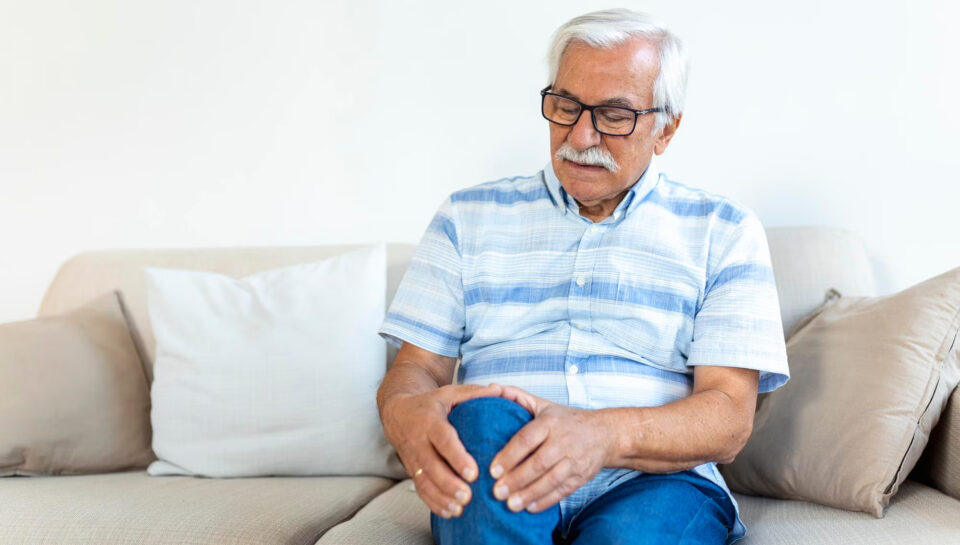
Have you ever stood up after sitting for a long period — at your desk, in a car, or on the sofa — only to feel a sharp or dull ache in your knee? You are not alone. Knee pain after sitting is one of the most frequently reported complaints at physiotherapy clinics across India, especially among working professionals, students, and older adults. While it may seem harmless at first, persistent knee stiffness or discomfort after rest can signal an underlying condition that, if left untreated, may worsen over time.
In this article, we explore the common causes of knee pain after sitting, what your symptoms may indicate, and how physiotherapy treatment can offer lasting relief.
Understanding Knee Pain After Sitting
The knee is one of the most complex joints in the human body, bearing your full body weight with every step. When you sit for extended periods, the muscles around the knee — particularly the quadriceps, hamstrings, and hip flexors — tighten and shorten. The cartilage between the joint surfaces receives less fluid circulation. When you then stand up, the sudden load and movement can cause pain, stiffness, or a clicking sensation.
This pattern of knee pain that is worse after rest and improves slightly with movement (only to worsen again with prolonged activity) is a classic sign that the joint or surrounding soft tissues are under stress.
Common Causes of Knee Pain After Sitting -
Patellofemoral Pain Syndrome (Runner’s Knee)
Patellofemoral pain is the most common cause of knee pain after prolonged sitting. Also known as “theatre sign”, patients typically feel a deep ache behind or around the kneecap (patella) after sitting with the knee bent for a long time. The pain is often made worse by stairs, squatting, or kneeling.
Patellofemoral pain arises when the patella does not track properly in its groove on the femur. This abnormal movement increases pressure on the cartilage beneath the kneecap and causes pain. Poor quadriceps strength, tight iliotibial band, flat feet, and weak hip muscles are contributing factors.
Knee Osteoarthritis
In adults above 40, knee stiffness after sitting is frequently associated with osteoarthritis — the gradual breakdown of cartilage within the joint. The stiffness tends to be most pronounced after inactivity (morning stiffness or after sitting) and may ease within 30 minutes of gentle movement. Other signs include swelling, a grating sensation, and reduced range of motion.
Iliotibial Band (IT Band) Tightness
The IT band is a thick band of tissue running from the hip to the outer side of the knee. When it becomes tight — often due to prolonged sitting or repetitive activity — it pulls on the knee and causes pain on the outer aspect of the joint. Athletes and runners are particularly prone to this condition.
Tight Quadriceps and Hip Flexors
Sitting for hours every day keeps the hip flexors and quadriceps in a shortened position. Over time, these muscles lose flexibility, altering the mechanics of the knee joint. This creates increased tension on the patellar tendon and the front of the knee, causing pain when you rise from a seated position.
Meniscal Issues
The menisci are two C-shaped cartilage pads that act as shock absorbers inside the knee. A torn or degenerated meniscus can cause knee pain after sitting, particularly when you twist the knee to stand. Swelling, locking or catching sensations, and pain along the joint line are common accompanying symptoms.
Physiotherapy Treatment for Knee Pain After Sitting
Hands-on techniques including joint mobilisation, soft tissue release, and patellar mobilisation are used to restore normal joint movement, reduce stiffness, and relieve pain. Manual therapy is particularly effective for patellofemoral pain and osteoarthritis-related knee stiffness.
Targeted strengthening of the quadriceps, hip abductors, and glutes corrects the muscle imbalances that cause the patella to track poorly. Flexibility exercises for the IT band, hamstrings, and hip flexors reduce tension on the knee joint. A structured home exercise programme ensures continued progress between sessions.
For chronic knee pain and tendon-related conditions, Shockwave and Laser therapy accelerate the body’s natural healing process, reduce inflammation, and provide rapid pain relief. These advanced modalities are available at our Vaishali clinic and complement exercise rehabilitation effectively.
Trigger point dry needling releases tightness in the quadriceps, IT band, and calf muscles that contribute to knee pain. TENS (Transcutaneous Electrical Nerve Stimulation) therapy provides effective pain management during the early stages of treatment, allowing patients to engage in rehabilitation exercises more comfortably.
Here is the text extracted from the final image, continuing the formatting from the previous sections:
Poor posture while sitting — crossing your legs, sitting with the knees bent beyond 90°, or slouching — can put excessive stress on the knee joint over time. Our physiotherapists assess your sitting posture, walking pattern, and footwear to identify and correct biomechanical contributors to your knee pain.
When Should You See a Physiotherapist?
You should not ignore knee pain after sitting, especially if you notice any of the following:
Pain persists for more than 2–3 weeks despite rest
Knee stiffness takes more than 30 minutes to resolve after waking up or sitting
You feel a clicking, locking, or catching sensation in the knee
There is visible swelling or warmth around the joint
The pain is worsening progressively or affecting your daily activities
You have recently increased your physical activity or started a new sport
Early intervention with physiotherapy is far more effective — and far less costly — than waiting until the condition worsens to the point of requiring surgery.
Conclusion
Knee pain after sitting is rarely a condition you simply have to “live with.” Whether you are dealing with patellofemoral pain, early osteoarthritis, or muscle tightness from prolonged desk work, a structured physiotherapy programme can restore your knee health, eliminate pain, and help you return to full activity.
At Corefit Physiocare, our experienced team of physiotherapists in Vaishali, Ghaziabad is ready to help you diagnose the source of your knee pain and begin an effective, personalised recovery journey. Do not let knee stiffness limit your life.
 by
by